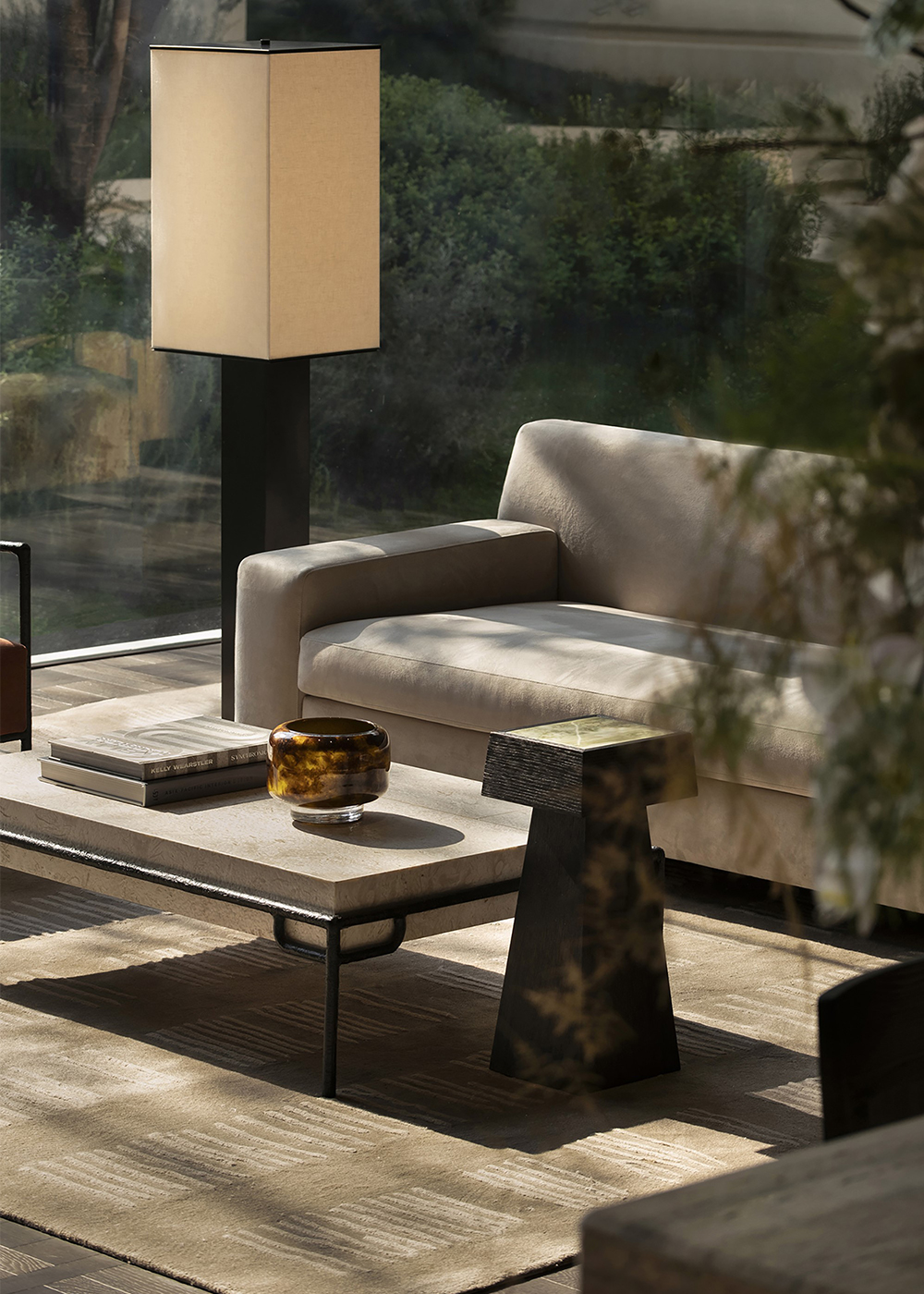
All things gravitate toward water; cities unfold along its course, and gardens draw their vitality from it. In Jiangnan, where waterways weave endlessly through the landscape, every corner carries a gentle, tender sentiment. To immerse oneself in such scenery is to encounter romance made tangible, and at the same time, to let the spirit wander freely.
Literati have long been drawn to the graceful softness of Suzhou, yet even their words could never fully capture its delicacy and spirit: the emotion held within misty rain, the swaying and teasing of willow branches, the young lotus leaves floating upon spring water. Everything is understated and restrained, yet intensity is conveyed through subtlety. To live here is to be moved by beauty without even realizing how deeply one has been touched. In the end, all roads lead toward an appreciation of beauty in its smallest and most fleeting forms. The carved lattice windows of classical gardens cannot contain all the daylight, and so they frame fragments of light and scenery as if composing a painting. Along the paths, shadows flicker and overlap, while generous spatial proportions evoke the diverse rhythms of history. As one walks, it becomes difficult to tell whether the shifting patches of light and shadow are following our movements, or whether we are simply drawn toward them, wandering and pausing without intention.
The lightness and understated elegance of the water town settle into the space as its underlying tone, quietly reserved yet graciously inviting. A path should be no more direct than necessary, yet nothing is more exquisite than a winding route. Between straightness and curvature lies a delicate balance between convenience and discovery. Even within a small space, subtlety gives rise to a sense of refinement and intricacy.
Ceramic forms the bone, while lines become its rhythm. Cobalt-blue glazed ceramic vessels stand like a measured colonnade within a classical garden, suspended and arranged in staggered sequences. Their rounded, swelling bodies taper gently inward, varying in scale and proportion, recalling the undulating surface of water—“how vast and tranquil the waters”—and stirring a sense of movement within the transparent space.